

Stilles Wesen
On Samuel Matzig Silent Being
Photography Exhibition 2018, Lisbon
Denn wir wissen ganz bestimmt/ Dass wir beide Schatten sind (Tocotronic)
Because we know for sure/ that we both are shadows
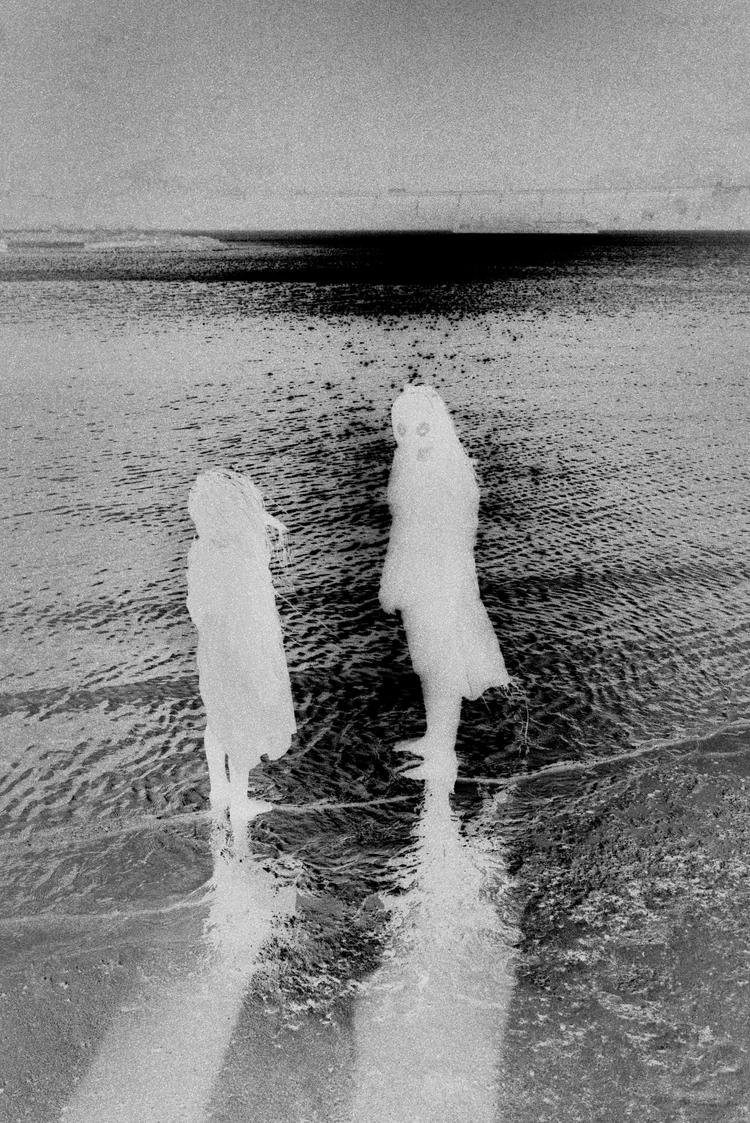
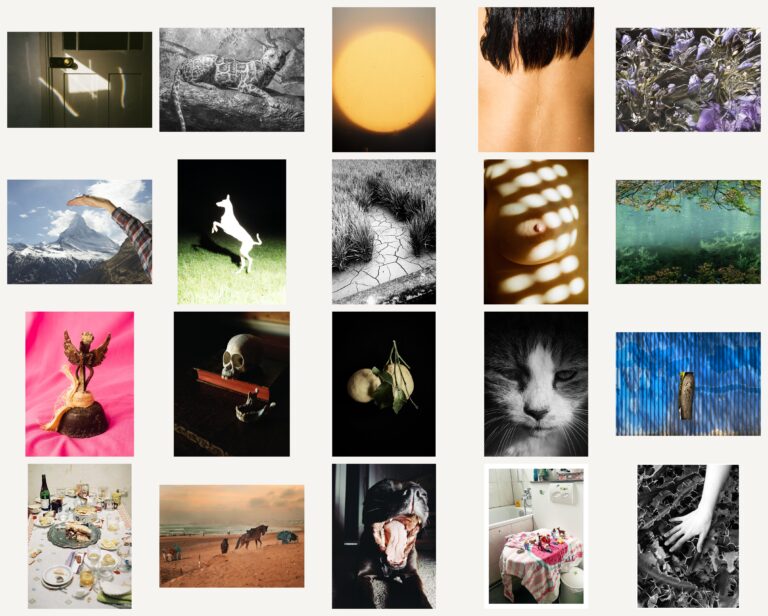
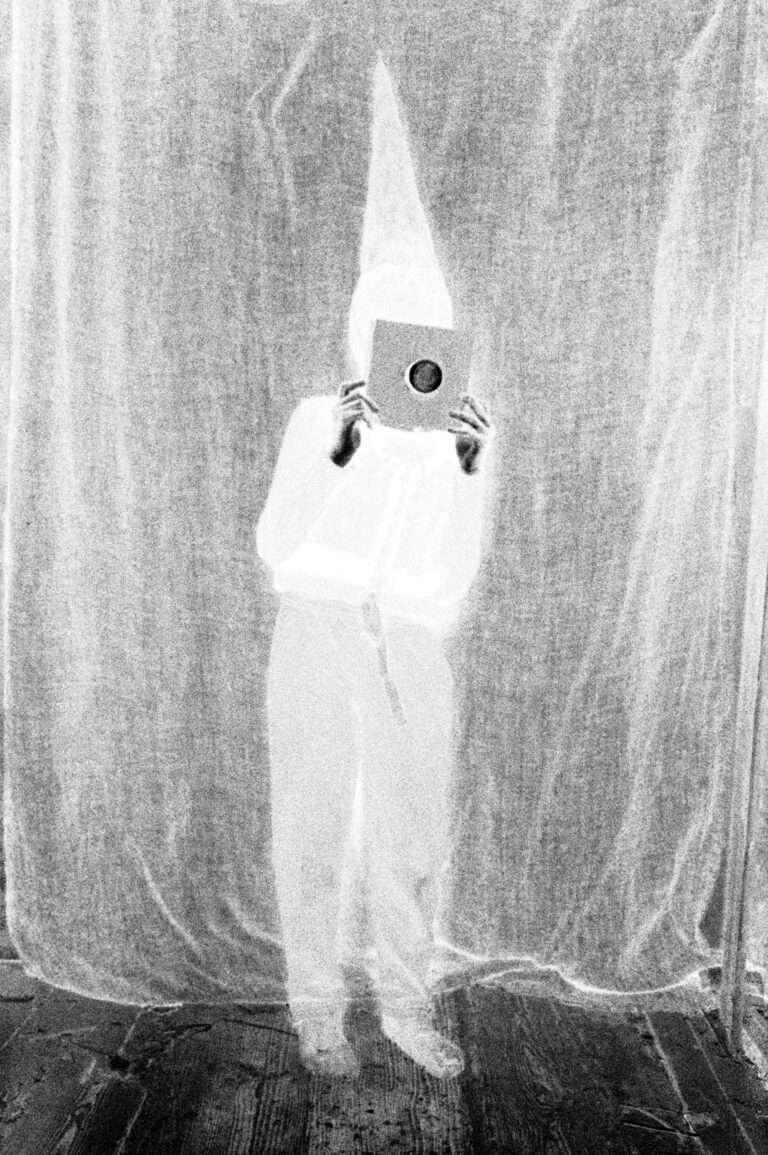
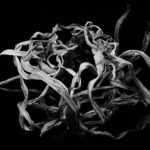
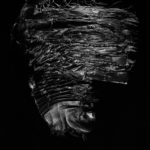
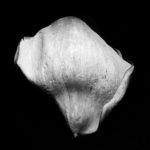
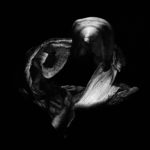
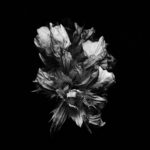
The Lisbon based Swiss artist Samuel Matzig gives us a gift, by looking at dried >things of nature< within a sober form of inner intuition and a simple artistic freedom to suspend time for the moment being. Here, our knowledge is weighted more lightly than our intuition and we might imagine- as in the song of Tocotronic– that both, we and the things surrounding us, become embraced as mere shadows. Only then might we suspend the flow of history to discover our own time.
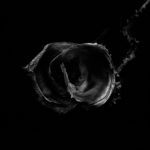
Matzig’s dense black and white photos present perspectives on things found in nature, grasped by light, and, departing into dark. His work leans on the movement of new objectivity, early criticized by Walter Benjamin in his text “Short History of Photography”. Hinging on the emphatic title-statement of the photography book on things by Renger-Patzsch, unfortunately called “The world is beautiful!”, Benjamin highlighted how the new objectivity movement of art would include a silence about dark and harsh realities humans suffer from, including the growing economization and marketed beauty of any picture, left alone totalitarian social structures. In response to Benjamin´s critic on new objectivities’s focus on things inside a loss of aura and the overlooking of the singularity inherent in works of art and human encounters, Matzig reopens the debate on human reality and things in photography and thus responds with his Silent Beings with exits and cuts(Ausschnitte) of things dried up from the violent flow of its historical course and river of time that carries things and us with it.
Silent Beings, thus, provides the viewer with a life-raft of untimely lingering and thereby sends us on an open journey, an uncanny time travel to a future with a still unclear destination. By zooming in on cuts and pieces of dried things of nature, silent beings provokes a correspondent dry state of mind in aesthetic perception. Hereby the artistic contemplation of cosmic movements of nature shows endurance, creating a topology of dark soberness put on hold on the photographic surface. By not forcibly seizing or grasping the image-sujet as tangibly recognizable as in ordered scientific objects and plant-preparations of Art Forms in the plant world (Blossfeld) contemplating Matzig´s work, we have to ask ourselves:
How do we turn ourselves into Silent Beings facing time?
Alexander Gerner
Tobel
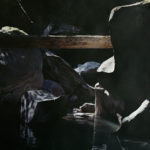
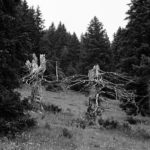
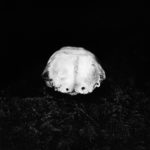
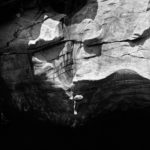
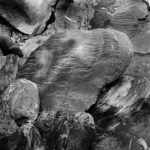
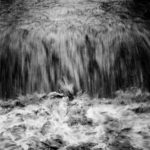
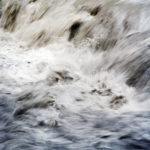
Samuel Matzig’s work, classic through both the medium and the theme, is imposing, expressive and evocative of transformation: the natural transformation that the photographer repetitively turns into an object, by isolating scenes seemingly unexceptional and presenting them to the viewer as an elements’ fight constantly building our surroundings into shape. Strikingly deprived of a human presence, Nature in Matzig’s work appears as strong, forceful and threatening. It appears like a character, bigger than man and all-mighty. Forceful, aggressive and wild as much as ancient and slow. It is this contrast of movement and stillness, of the origins and the future, the change and the constant, that remind us our own evolution and essence. Samuel Matzig (b. 1983 in Mels, Switzerland) is based in Switzerland and Portugal. He studied photography and visual communication at Ar.co in Lisbon.
Location
Contact

Awards
Exhibitions
- 2024near, nuit des images, Photo Elysée Lausanne
- Blender, La Pharmacie, Lausanne
- 2023Bündner Werkschau 23, Sinnhof, Chur
- Du nil au Léman. Regards Contemporains, Musée d'art de Pully
- 2022Lichtblicke, Kunst in Mels, St.Gallen
- 2021Orianidas, Galeria Graça Brandão, Lisbon
- Unspektakulär, Artfestival Planaterra, Chur
- 2020Regiunala20, Cularta, Laax
- 2018Stilles Wesen -Silent being, Galeria Ibirapi Contemporânea, Lisbon
- 2017Tobel, Galeria EdgeArts, Lisbon
- 2018Natura Sapiens, Galeria Ibirapi Contemporânea, Lisbon
- 2017Cliché-verre, Galeria Diferença, Lisbon
- 2015Ar.co bolseiros & finalistas 2014, Museu de Lisboa - Palacio pimenta